By Studio Blu Dental | January 16, 2026
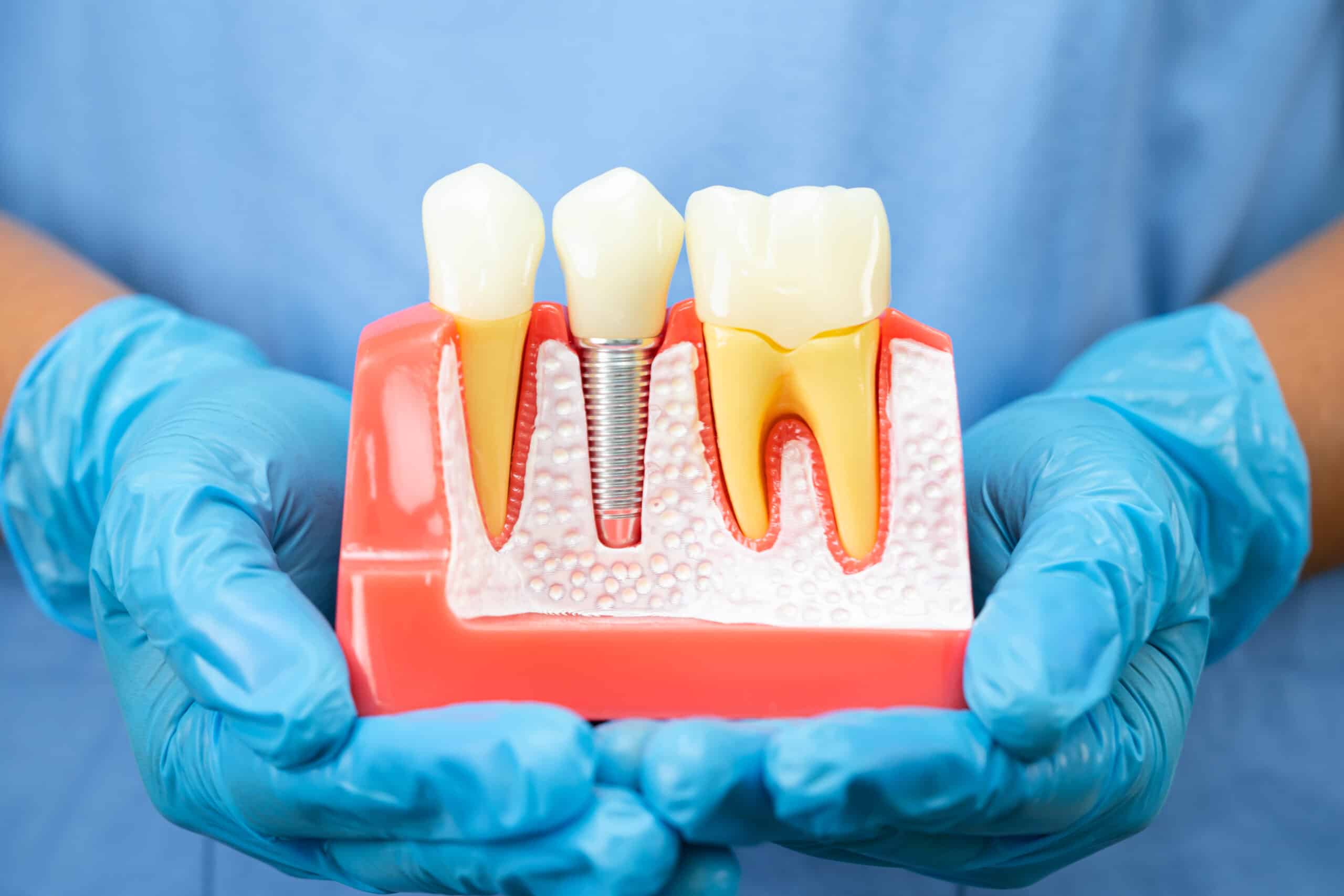
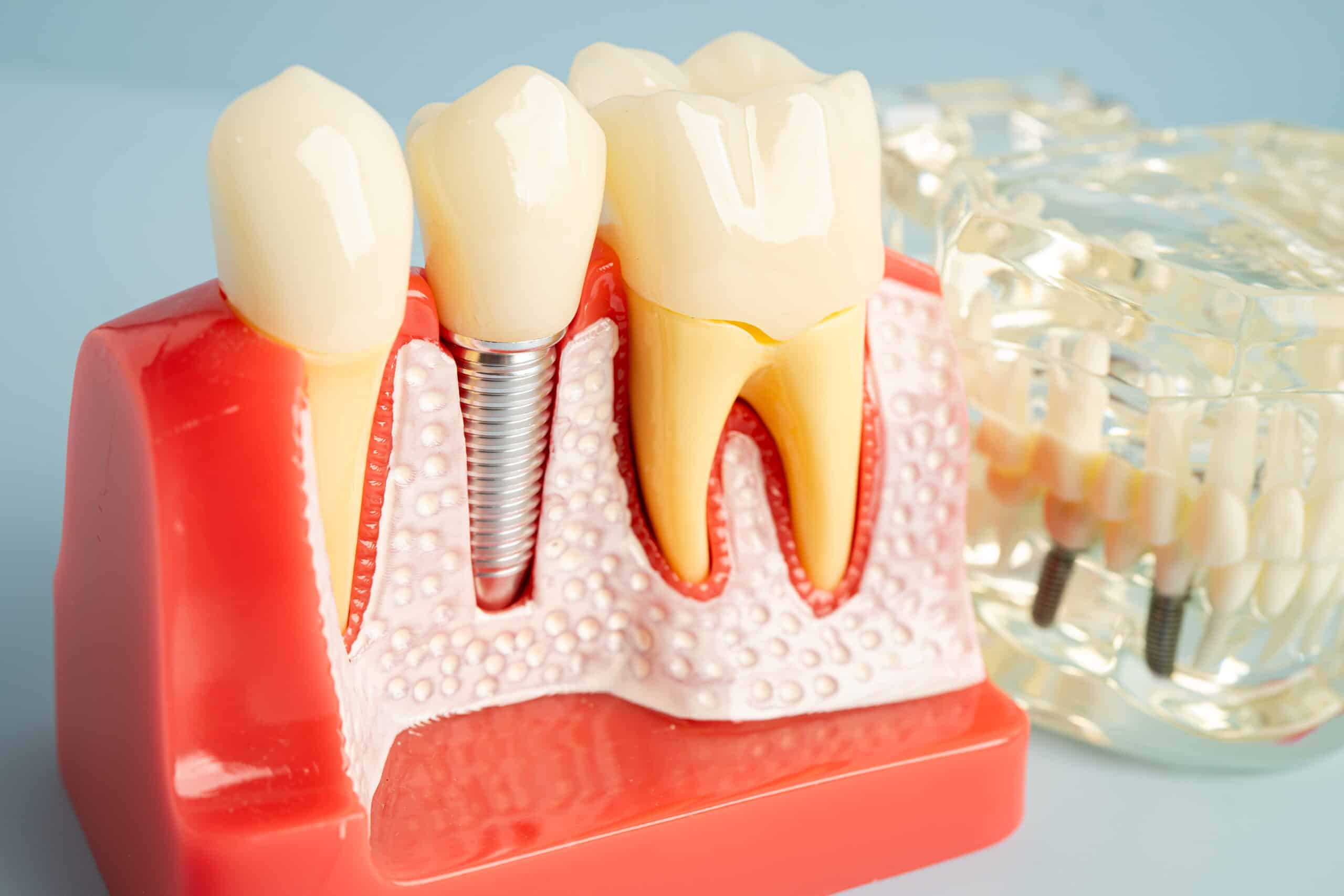
Dental implants have proven to be one of the safest and most successful procedures for tooth replacement. The procedure offers a lifetime solution for people with missing teeth, making dental implants a better option than dentures or a dental bridge. Nevertheless, the process of placing dental implants sometimes requires an additional procedure to ensure their success. The procedure is called bone grafting. But how does bone grafting relate to the success of dental implants?
In this blog post, we will discuss the importance of bone grafting for dental implants and why patients may need this procedure. We will also learn why a person might require a bone grafting procedure. We will look at the types of bone grafting procedures performed for dental implants.
Why Bone Grafting Is Sometimes Necessary for Dental Implants?
The base on which the dental implant rests is formed by the jawbone, and it is critical because the implant must be anchored to it for stability. However, various factors may affect the jawbone. A patient may be utterly lacking in jawbone, for instance, depending on the number of teeth lost, and issues such as osteoporosis and atrophy may compromise the jawbone’s strength and size over time due to the patient’s advanced age and a history of diseases like periodontal disease.
For those who have had bone loss, rebuilding the lost bones is possible through a dental implant procedure with the foundation needed to integrate into the mouth and function like regular teeth. Without the bones, the implant may fail, resulting in pain and even removal.
Types of Bone Grafting Procedures
If you have been advised to undergo bone grafting procedures for your dental implants in Highland, you may wonder what kinds of procedures are available. The following are some common bone grafting procedures performed by your dentist:
1. Sinus Lift
The sinus lift is considered when there is inadequate bone structure in the upper jaw area that can accommodate dental implants. During a sinus lift, bone grafts are inserted into the area below the sinus. This helps build the bone structure, providing the implant with an appropriate base.
2. Ridge Augmentation
If there is significant jawbone loss, ridge augmentation may be used to rebuild the jawbone in the area where the dental implant will be placed. Ridge augmentation helps rebuild the jawbone to aid the placement of the dental implant.
3. Guided Bone Regeneration (GBR)
GBR involves covering a bone graft with a membrane to guide and direct new bone formation. This process is essential for developing a foundation for dental implants and ensures they are well supported.
4. Socket Preservation
After tooth removal, socket preservation is performed to prevent bone deterioration. A graft is inserted into the socket to preserve bone integrity and prepare it for the implant.
5. Membrane (Resorbable vs. Non-Resorbable)
A membrane is provided when using guided bone regeneration or any other method of bone grafting. A resorbable membrane is one that can be broken down by the body, while a non-resorbable membrane must be removed after the procedure.
6. Titanium Mesh
It can be used during bone grafting to ensure the desired space for the graft while keeping the soft tissues at bay, helping the bone regenerate in the correct direction for the implant.
How Bone Grafting Increases the Success Rates of Dental Implants?
When you go for dental implants, your dentist will undertake a thorough examination to assess whether a grafting procedure is required. Methods such as CBCT 3D Scans can be used to provide a clear picture of your jaw and identify any bone gaps that could affect the dental implant procedure. Although bone grafting increases the cost of dental implants more than the initial estimation, it can ultimately increase your chances of a successful implant and prevent possible complications and surgeries.
Bone grafting ensures that the dental implants have adequate support to integrate well. Regardless of whether a sinus lift or ridge augmentation is needed, bone grafting techniques provide the necessary environment for dental implants to bond to bone, which helps prevent implant failure.
Conditions That May Necessitate Bone Grafting
There are various reasons that may necessitate bone grafting before a dental implant. The following
- Atrophy: If the jawbone has not been stimulated due to the extraction of the tooth, it can start to atrophy. In this case, bone grafts may be required due to bone loss.
- Osteoporosis: It is the weakening of bones, making them prone to fracture. In some instances, osteoporosis can occur in the jawbone. Bone grafting is then required to place dental implants.
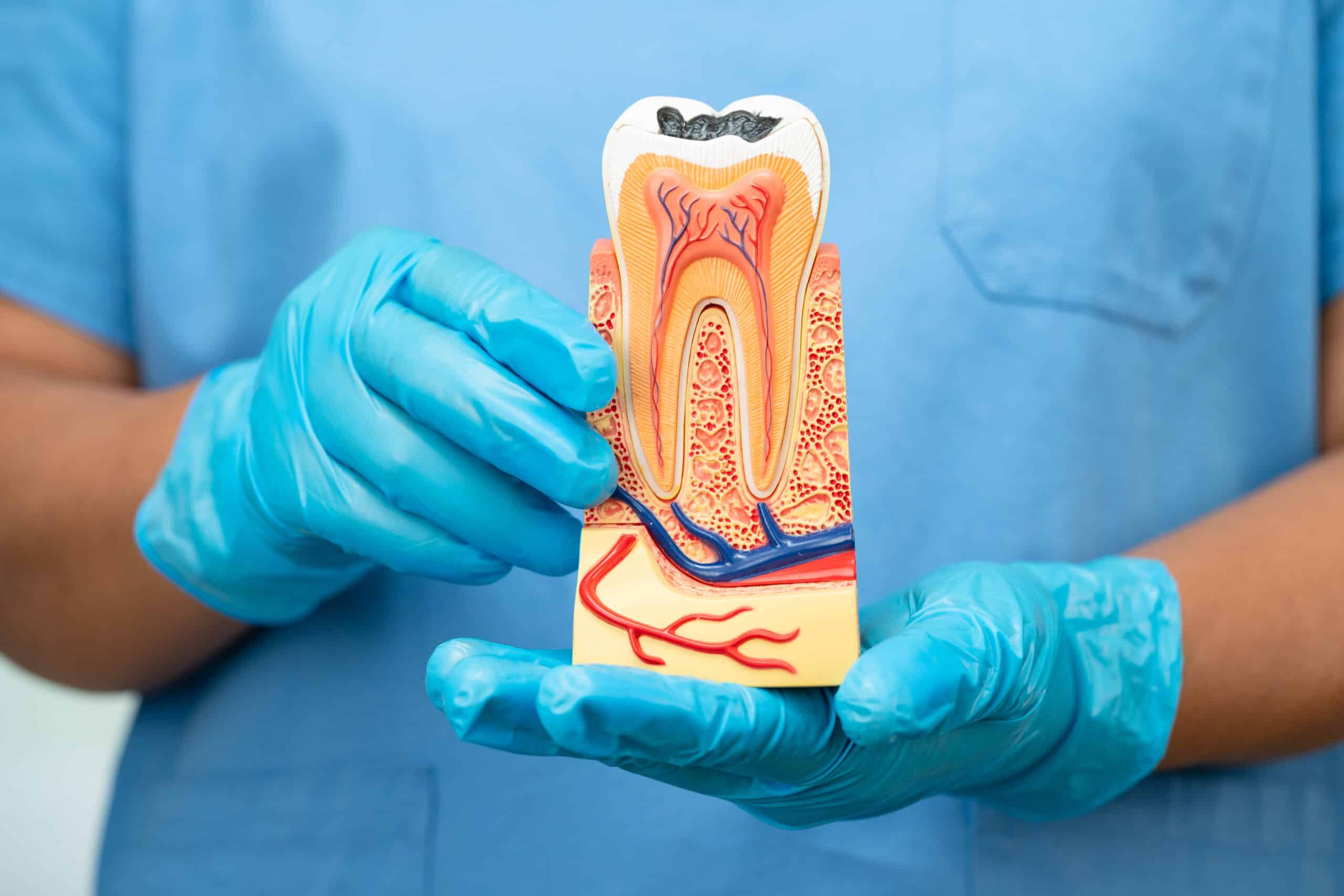
- Periodontitis: In severe cases, gum disease can cause significant bone damage. In such cases, bone grafting has to be performed before implants can be inserted.
By resolving these problems through bone grafting, dental implants in Highland can be placed successfully, providing a reliable solution for missing teeth.
Dental Implant vs Bridge: What’s the Difference?
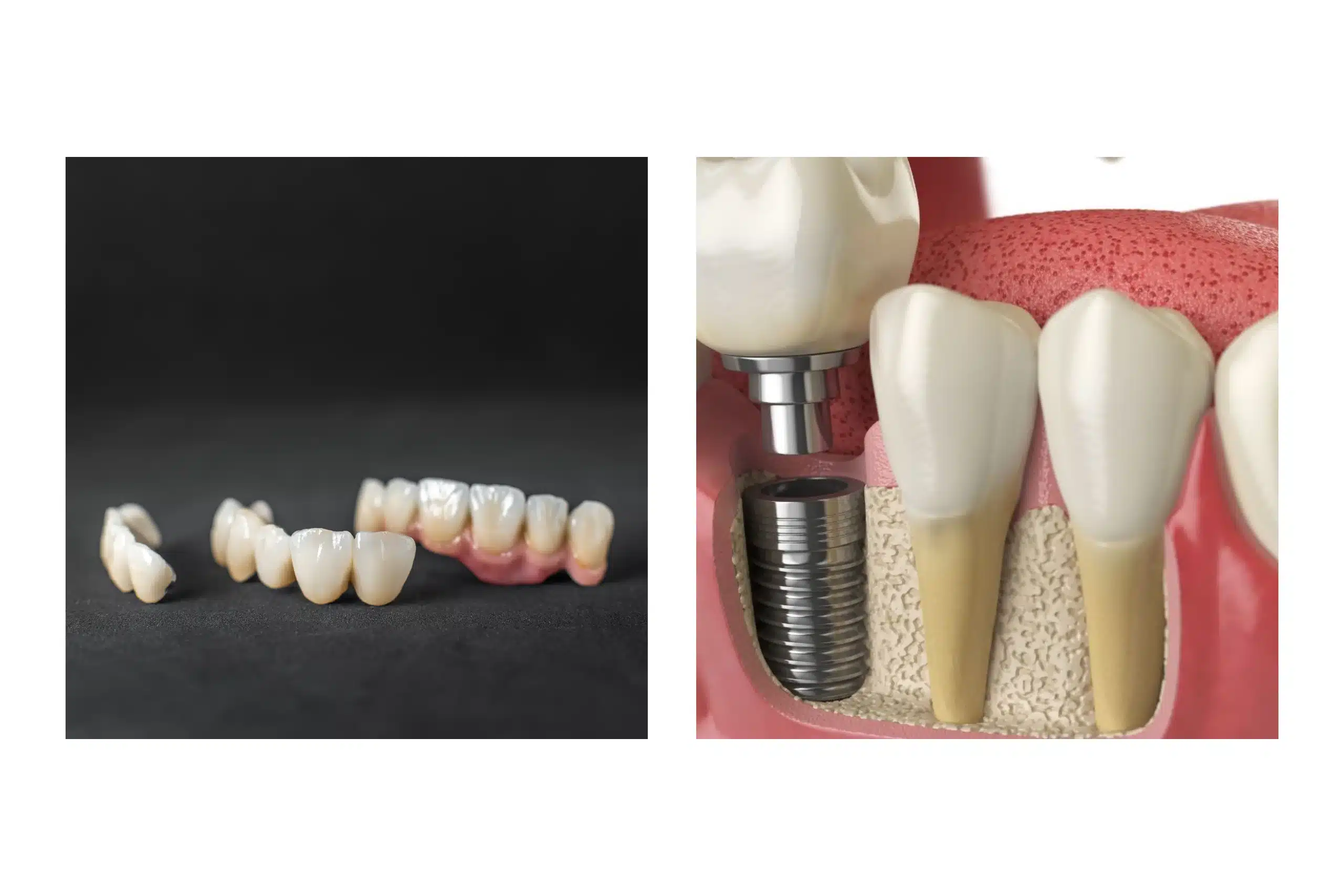
When deciding between dental implants and dental bridges, it is necessary to consider the key differences between the two procedures, which, although effective for replacing missing teeth, offer distinct benefits on various grounds. Let’s compare the two procedures quickly:
Dental Implants: Permanent & Stable
- Not dependent on nearby teeth for support, thus maintaining your oral health.
- Requires surgical placement, which may involve bone grafting.
- A permanent solution with long-term durability.
- Mimics the structure of a natural tooth.
Dental Bridges: Quick & Non-Surgical Option
- A non-surgical option that utilizes the support of adjacent teeth.
- May necessitate alteration of healthy adjacent teeth.
- Can be placed faster than implants.
- Less durable compared to implants.
- They might require replacement after a few years.
Even though a bridge may be a more expedient approach, a dental implant is a longer-lasting and more stable option, especially if one considers the benefit of using bone grafting.
Achieve a Strong Foundation for Your Dental Implants
At Studio Blu Dental, we understand that a strong foundation is vital to ensure the success of dental implants. As a Highland patient interested in dental implants, bone grafting is likely an important step in the process. Fortunately, with the proper bone grafting procedure, it is possible to have long-term results that look very natural.
Contact us today to schedule your consultation and find out whether your dental implant procedure may require a bone graft. We are here to help guide you through this process and make your dental implant journey as smooth as possible.
Questions People Ask About Dental Implants
How can I maintain my dental implants after bone grafting?
Good oral hygiene and regular check-ups with your dentist are essential to maintaining the health of your dental implants after bone grafting. Avoid smoking and follow your dentist’s aftercare instructions.
How long does bone grafting take to heal?
Bone grafting healing generally takes 4 to 6 months. This timeframe varies based on the type of graft used and your body’s natural healing rate. Your dentist will monitor progress to ensure optimal results.
Can I get dental implants if I have bone loss?
Yes, bone grafting can restore bone structure, making it possible to receive dental implants even if you’ve had bone loss. This process provides the necessary foundation for successful implant placement and long-term stability.
What are the risks of bone grafting for dental implants?
While bone grafting is generally safe, risks include infection, graft rejection, or insufficient bone regeneration. Your dentist will guide you through minimizing these risks.
Is bone grafting painful?
Bone grafting is usually performed under local anesthesia, so you should not feel pain during the procedure. Mild discomfort is common during recovery.