By Studio Blu Dental | January 23, 2026
When considering treatment options to fill in gaps between teeth, there are generally two main alternatives: dental implants and tooth bridges. While both alternatives provide benefits that guarantee you an improved quality of life, they are significantly different in terms of how they work and their long-term effects. Knowing these aspects will help you make an informed decision about which dental procedure is best suited to fill gaps in your teeth. If you are a resident of Highland and would like to fill gaps between teeth, implants have the following advantages and disadvantages.
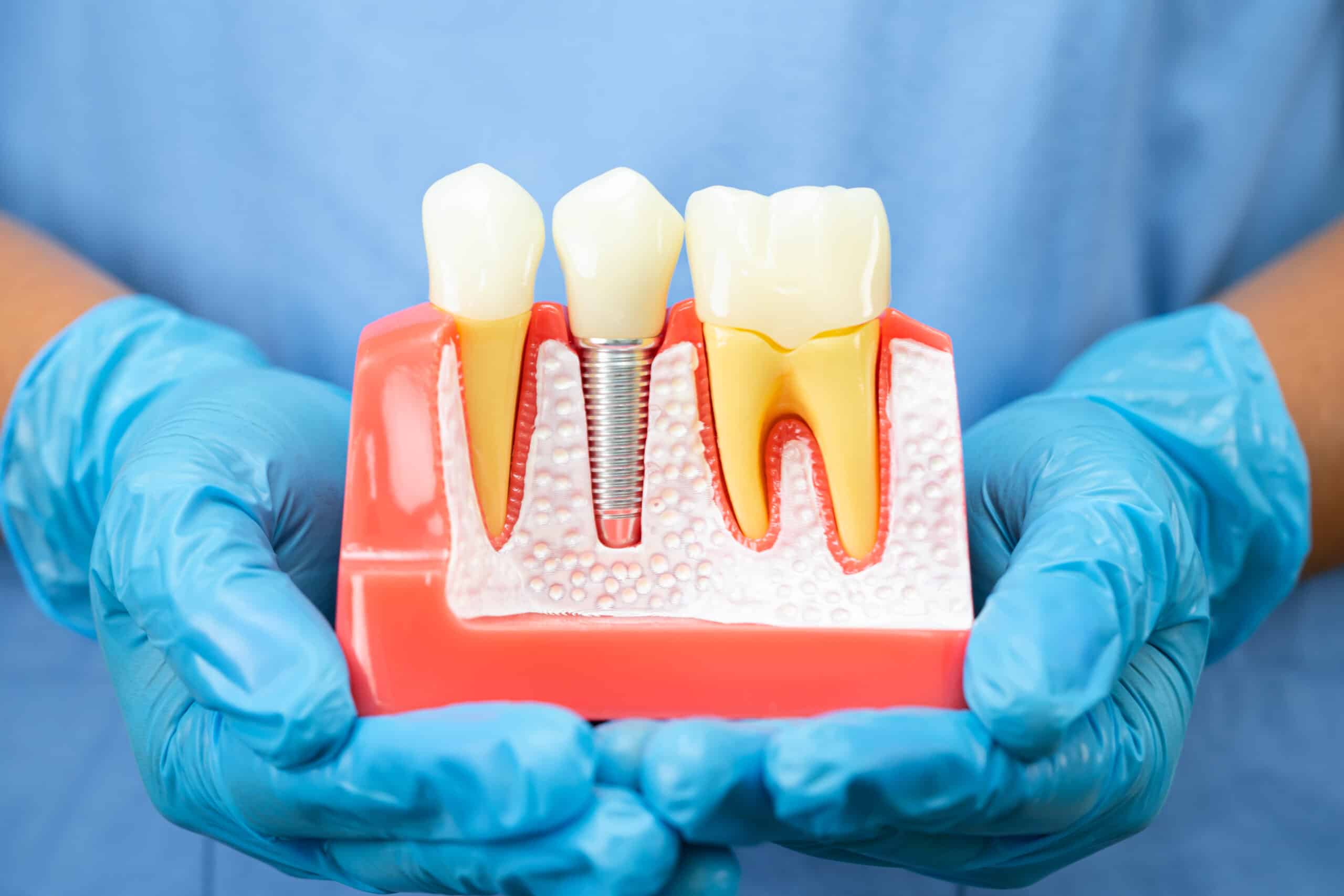
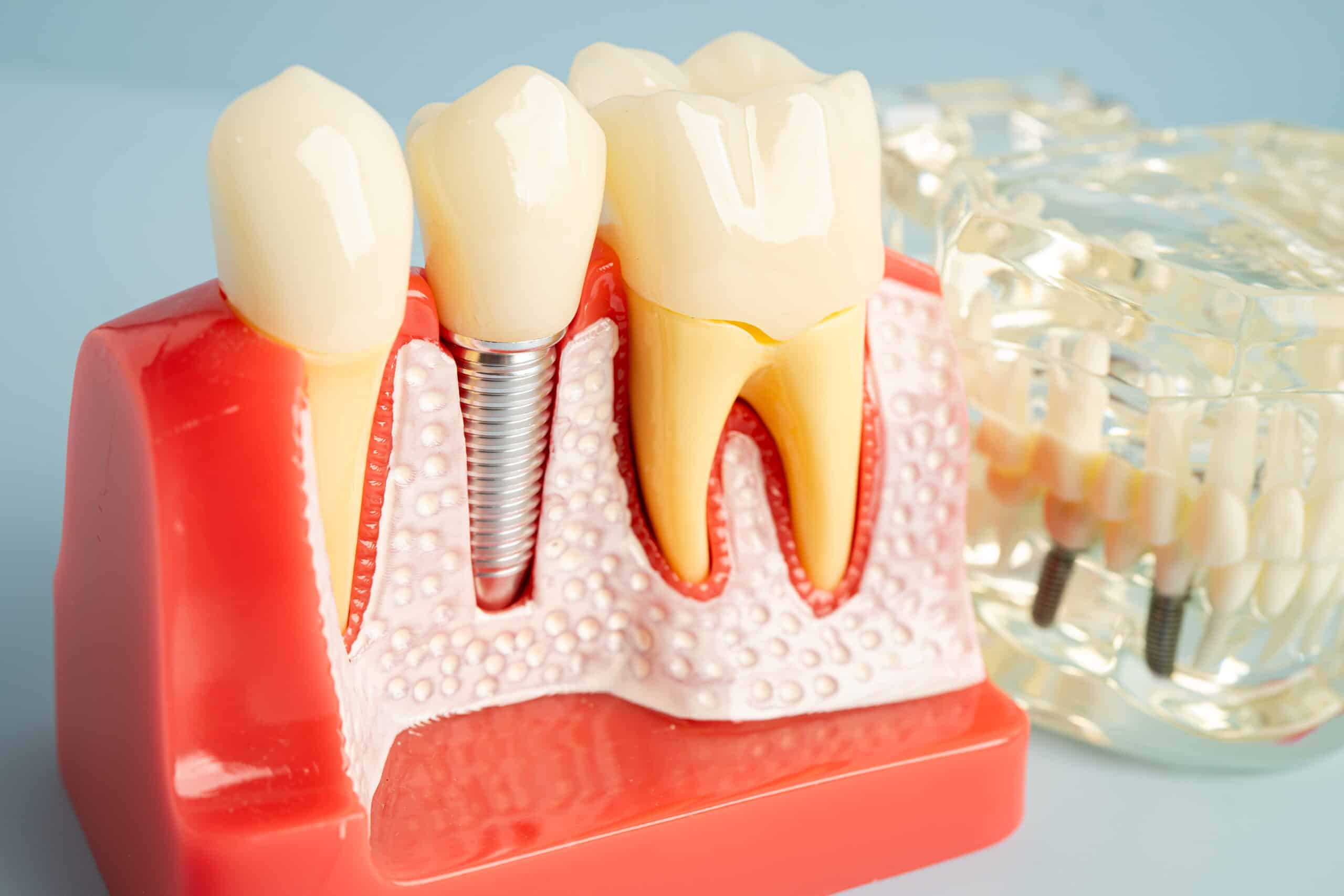
In highland dental implants are often considered the best option for replacing a tooth. This procedure involves fixing a titanium post in the gum that can support a crown that replaces the missing tooth. The implants stand alone, making the procedure different from a tooth bridge, in which support for the missing tooth comes from the adjacent teeth.
What Sets Dental Implants Apart from Bridges?
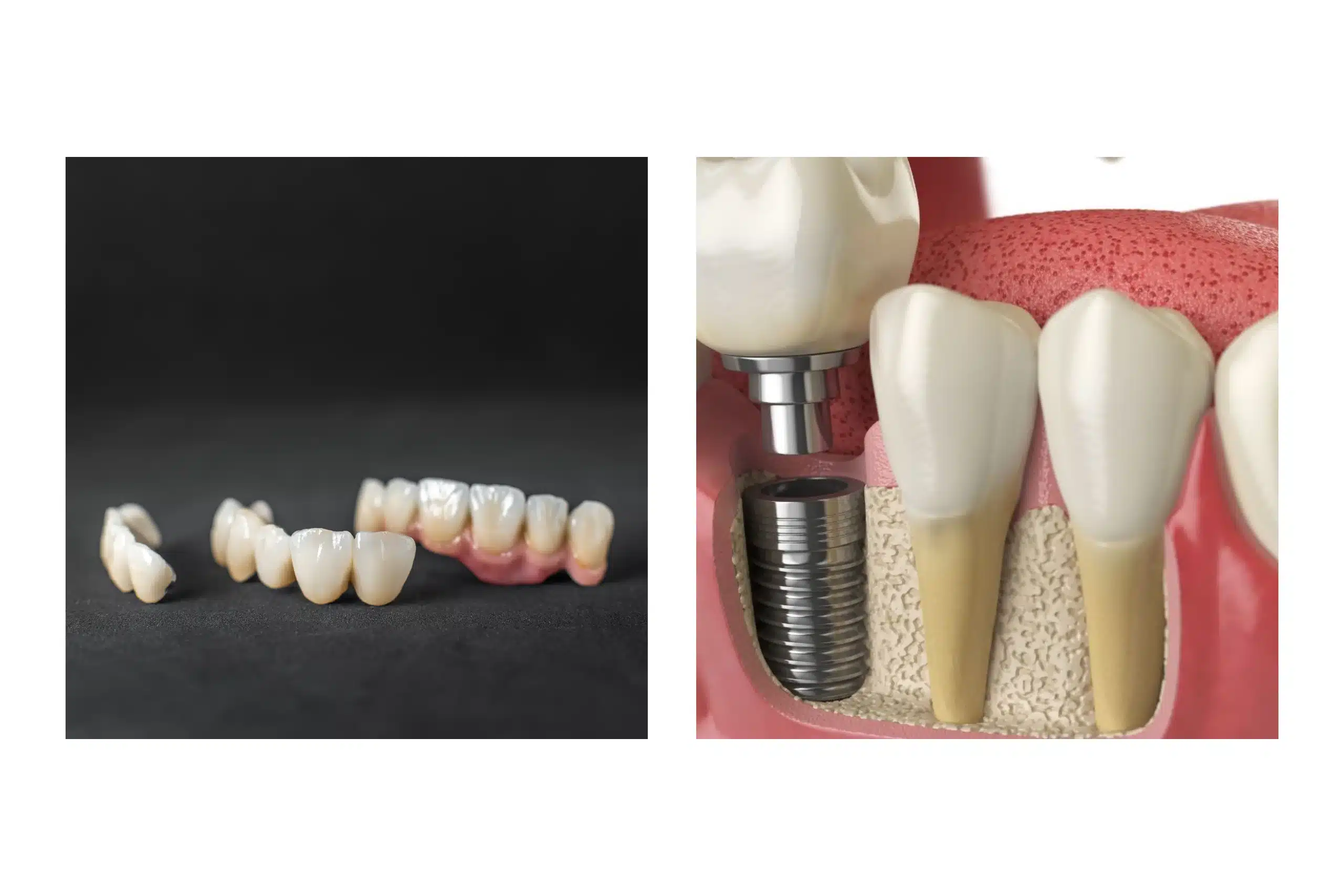
When deciding between implants and bridges, one should consider the long-term oral health implications of each procedure. Although both procedures can replace missing teeth, they do so in very different ways. Dental implants, or endosseous implants, integrate with the bone to support a tooth, while a dental bridge relies on support from nearby teeth.
Dental Implants
- The dental implants process starts with a consultation to assess dental health and bone support.
- The dentist will determine whether bone grafting is required to support your dental implants.
- A titanium post is inserted into the jawbone, which subsequently becomes fused.
- The crown is then attached after healing, forming a stable artificial tooth that resembles its natural counterpart.
- It is a technique that stimulates bone growth while keeping adjacent teeth healthy.
Dental Bridges
- Usually, a conventional bridge supports a single tooth with adjacent teeth.
- The supporting teeth are reshaped to hold the crowns, which will hold the false tooth in place.
- This method is less intrusive than implantation, yet it still involves altering healthy teeth.
- Eventually, changes in the supporting teeth could impact the structural integrity and longevity.
The bridges might require early replacement as the teeth become weaker or are damaged. If a bridge is being considered, there are two options: a cantilever and a Maryland bonded bridge. A cantilever bridge is supported on only one side, while a Maryland bonded bridge uses metal or porcelain fittings bonded behind existing teeth. Both options may work in some situations, but they may not be as durable or stable as implants.
Advantages of Dental Implants
Implants offer costing with insurance and several benefits for those seeking a permanent solution to tooth loss. With their permanent foundations, they are able to closely resemble natural teeth by promoting the health of your bone structure and the durability of your smile.
- Long-Term Durability: Unlike endosseous implants, which can last for many years with proper care and may last a lifetime, bridges typically need replacing after 10 years.
- Bone Stimulation: Implants provide bone stimulation, helping prevent jawbone loss. It is significant, especially to prevent the loss of the jawbone.
- No Need for Adjacent Teeth Modification: Unlike bridges, there is no need to adjust the adjacent teeth; they remain intact.
- Improved Functionality: Because they are securely fixed in the jaw, endosseous implants provide superior stability, improving chewing and speaking.
Advantages of Bridges
Dental bridges offer a viable solution for tooth replacement with fewer invasive procedures, making them an efficient way to restore your smile and function in less time by using your existing teeth as support.
- Less Invasive: Installing a dental bridge is less invasive than installing endosseous implants, which require surgery. This is advantageous for those who cannot undergo implant treatment due to bone loss or other health problems.
- Faster Recovery: Compared with implants, a bridge heals faster because it doesn’t require surgery.
Choosing Between Dental Implants and Bridges
Ultimately, it is a question of individual needs, oral health, and desired objectives. If you are seeking a permanent, solid solution and can sustain a dental implant, that is the right choice. However, if you are looking for a faster, less invasive option, a bridge could be a perfect choice.
At Studio Blu Dental, we recognize that every individual is unique, and our goal is to work with you to develop a personalized treatment plan tailored to your needs. With dental implant therapy or dental bridges, you can be confident that we will be with you every step of the way to provide the best possible results with maximum comfort.
The Path to a Healthier Smile
In the end, both endosseous implants and bridges have their place in modern dental care. That said, implants are often considered the optimal solution compared to dental bridges, especially given the longevity of the teeth on either side.
Are you a Highland resident looking to learn more about which choice is right for you? Do not hesitate to contact Studio Blu Dental for a consultation. Here, our goal is to help you make the best decision for your smile and put your oral health in the best hands.
Questions People Ask About Dental Implants & Bridges
How long do dental implants last?
Dental implants can last a lifetime with proper care, providing a durable, long-term solution for missing teeth. Their longevity is unmatched by other options, making them an ideal investment in your oral health.
What is bone grafting for dental implants?
Bone grafting helps reinforce the jawbone to support dental implants when there’s insufficient bone. This procedure restores bone density and creates a solid foundation, ensuring the implant integrates effectively and remains stable for years.
How do dental implants compare to bridges in terms of longevity?
Dental implants typically last a lifetime with proper care, while bridges usually need replacement after about 10 years. Implants offer superior durability, reducing the need for future treatments and offering a more permanent solution.
Can dental implants help prevent bone loss?
Yes, dental implants stimulate the jawbone, preventing bone loss by mimicking the natural tooth root. This process preserves both the jawbone and facial structure, making implants an ideal solution to avoid future oral health complications.
What types of bridges are available?
There are various bridge types, including traditional, cantilever, and Maryland bonded bridges. Each type serves different needs: traditional bridges use adjacent teeth for support, while cantilever and Maryland bridges rely on fewer support teeth.