By Studio Blu Dental | February 5, 2026
As we grow older, our oral needs change, and a healthy smile becomes a crucial aspect of our well-being. For many seniors, dental implants have become a highly sought-after solution for tooth loss. But many questions have arisen about the safety of endosseous implants for seniors. At Studio Blu Dental in Highland, NY, Dr. Chuan Wang is dedicated to guiding you through the process and ensuring that your path to a confident smile is both safe and effective.
Dental implants have many benefits for seniors, including increased comfort and improved oral health. But before pursuing this treatment, it is necessary to know how endosseous implants work, particularly for those in their golden years. Bone density, overall health, and current health conditions, including hypertension and diabetes, might impact the success of the treatment. With proper planning and advanced technology, dental fixtures are a safe solution for seniors.
The Fundamentals of Dental Implants for Seniors
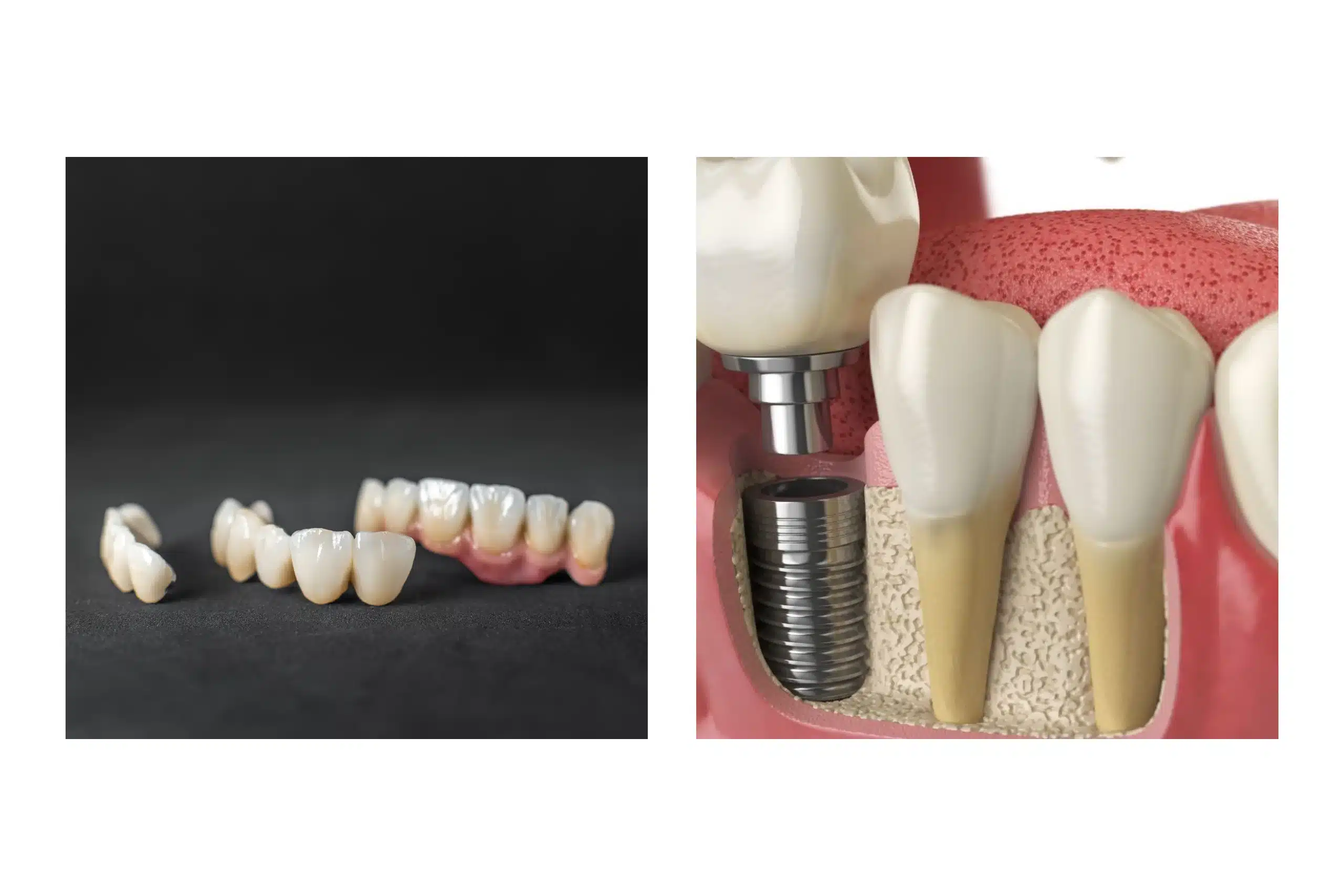
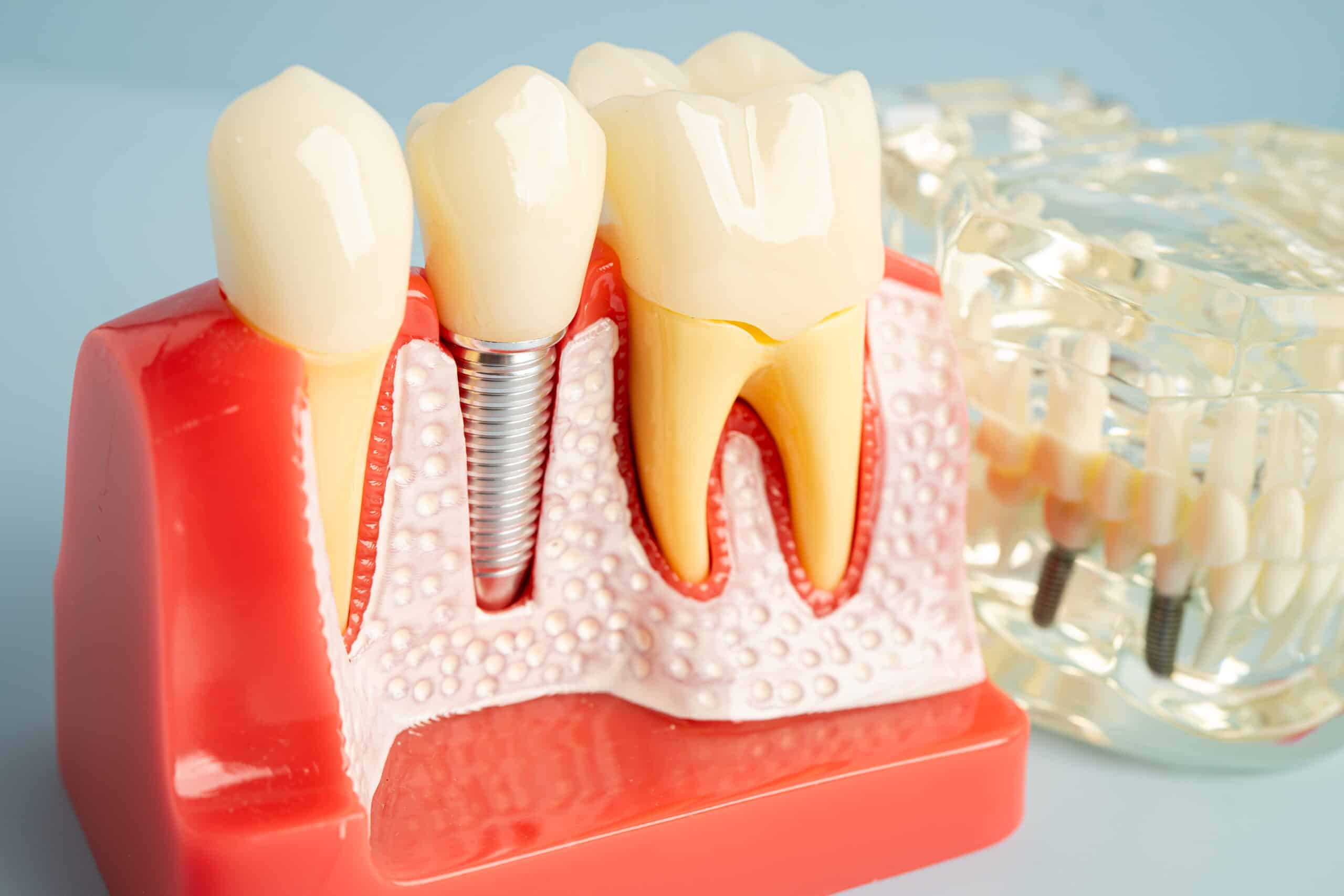
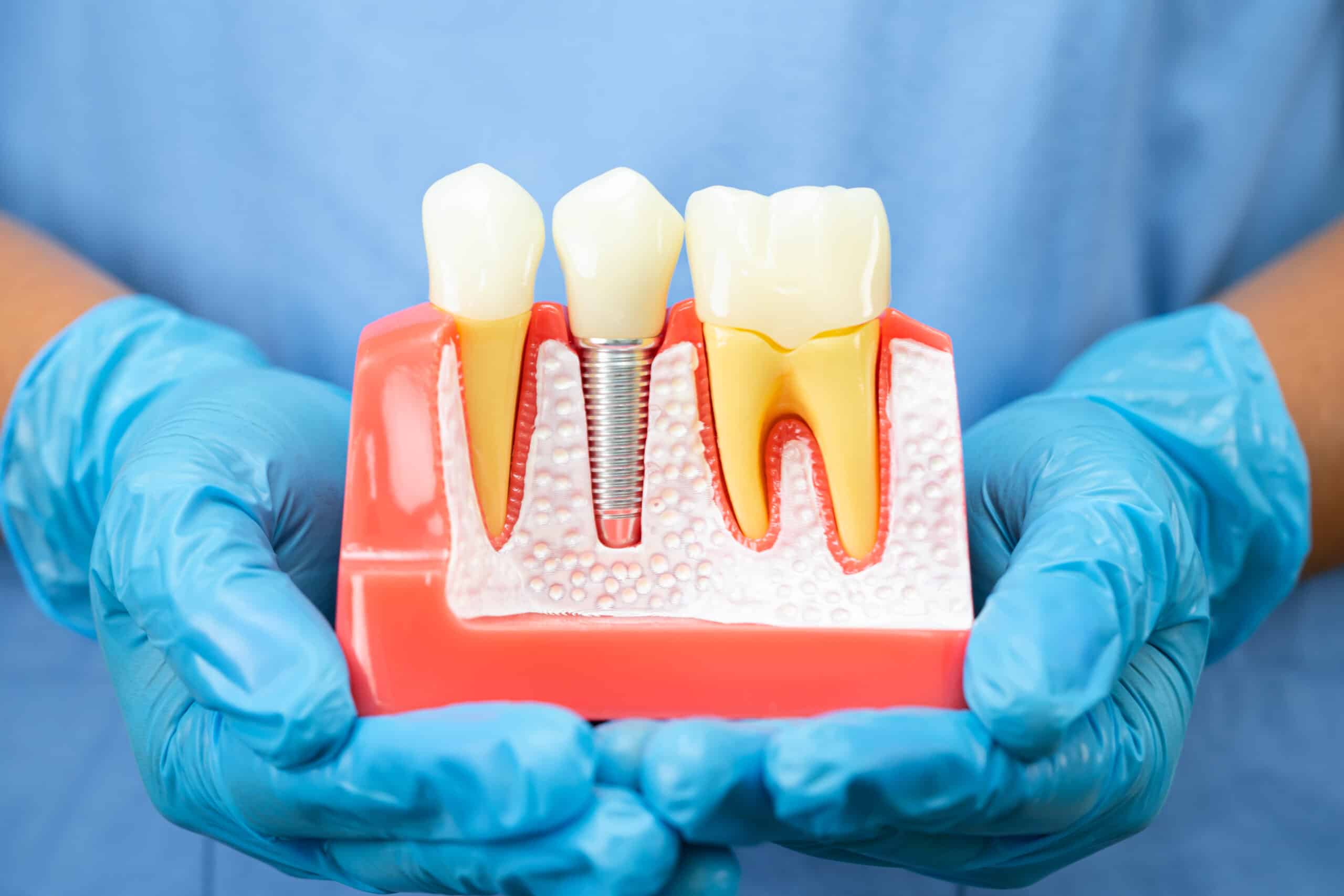
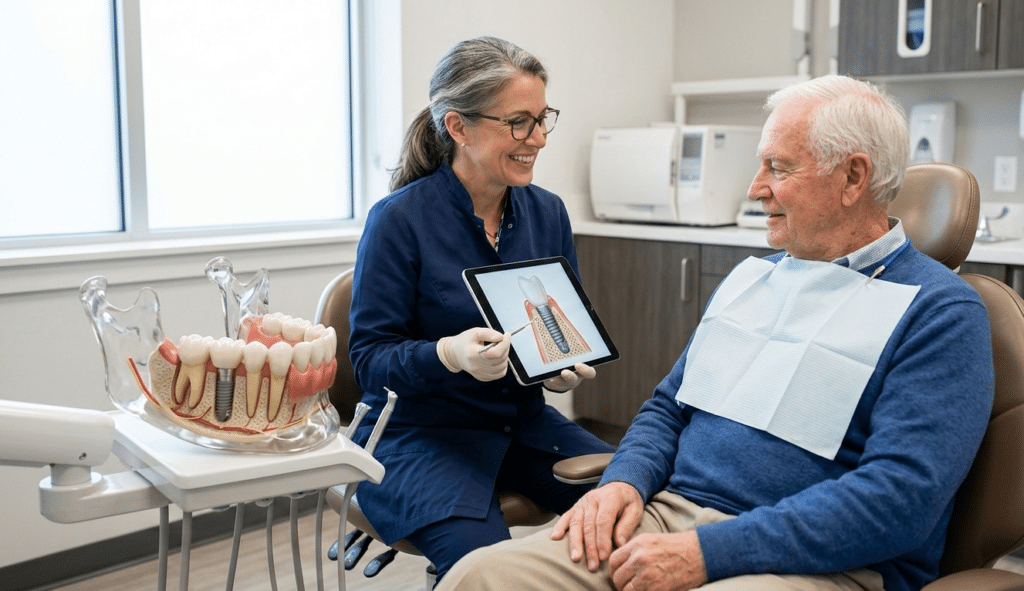
Dental implants are surgically inserted into the jawbone, where they eventually integrate with the bone, a process called osseointegration. This provides a solid, permanent base for crowns, bridges, or dentures. Seniors often have some reservations about undergoing the procedure. However, when carefully planned and implemented, dental implants in Highland generally provide a more permanent and natural alternative to traditional dentures.
Are dental implants safe for seniors? Yes, they are. However, there are some considerations that Dr. Wang must evaluate before proceeding with the procedure. Seniors with strong bone density and overall health are the best candidates. Seniors with Type 2 Diabetes, hypertension, or those taking bisphosphonates (medications for osteoporosis) usually need special considerations to ensure safety and optimal healing.
Medical Considerations and Personalized Treatment
For seniors, the success of dental implants often depends on certain personal medical considerations. A careful review of the patient’s medical history is essential in deciding whether endosseous implants are the best option. For instance, systemic medical conditions are important considerations. Seniors with hypertension or diabetes treatment plans usually face a slightly increased risk of complications, but with proper treatment, the procedure is usually done successfully.
In other instances, bone density often becomes a concern. As we age, the jawbone becomes less dense, making it harder for the implant to integrate properly. However, several modern methods are able to help overcome this problem. For example, bone grafts for seniors with dental implants often increase jawbone density, making it ready for the implant. Another method is the sinus lift, which usually helps ensure that there is enough bone in the upper jaw to support the implant.
Dentists employ CBCT 3D imaging and guided surgery to accurately plan the placement of endosseous implants. With these technologies, we evaluate the bone structure and plan the best course of action for the patient. For senior patients, this minimally invasive procedure helps them recover quickly and feel as comfortable as possible throughout the procedure.
Are Implants a Safer Choice for Seniors?
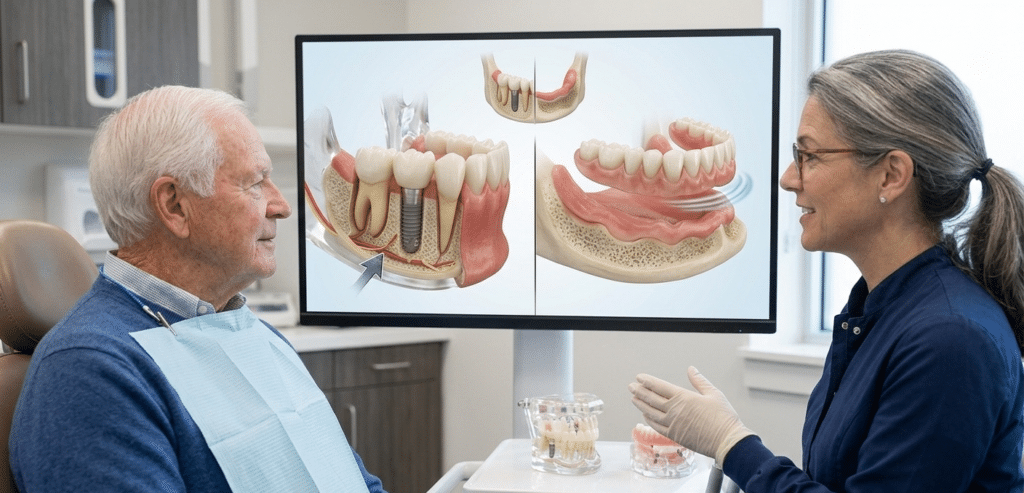
Seniors often need to choose between dental implants and dentures, considering their dental health. Although implant-supported dentures are also available, the choice between implants and dentures for seniors often depends on long-term success and comfort. Implants are a more stable choice because they are fixed to the jawbone and will not cause problems such as slipping or discomfort associated with traditional dentures.
Another major benefit of dental fixtures is that they actually help maintain the jawbone. If the teeth are missing, the jawbone often starts to deteriorate. However, endosseous implants help prevent this by stimulating the jawbone through osseointegration. Dentures do not offer this benefit and often require frequent replacement.
How Medical Conditions Influence Implant Success?
When it comes to dental implants, your medical conditions are also an important factor in determining whether you are a good candidate for the procedure. Some medical conditions usually influence the success of the implant procedure. Thanks to today’s advanced dental care, many patients with certain conditions still have successful endosseous implants. Below, we will discuss some of the most common questions about medical conditions and whether they affect your ability to have dental fixtures.
Can You Have Implants with Periodontal Disease?
If you want to have implants while battling periodontal disease, it is important to treat this condition before. If you have active gum disease, you will end up with insufficient bone support, which often makes the implant procedure less successful.
Implants for Patients on Blood Thinners
If you are taking blood thinners, it is essential to discuss your plans with your dentist before moving ahead with the implant process. Blood thinners generally raise the risk of bleeding during the surgery, so a temporary change in your medication will be required to ensure a smooth and safe surgery.
Hypertension and Implant Surgery
High blood pressure often impacts the recovery process following dental implant surgery. If you have high blood pressure, it is essential to ensure that it is under control before the surgery. Your dentist often also modifies your treatment plan to avoid complications that have a chance to arise from high blood pressure.
Dental Implants for Diabetics
Diabetes, especially if it is not under control, impacts the recovery process following implant surgery. But with careful management of your blood sugar levels, dental implants for diabetics are a safe choice. Your implant dentist will coordinate with your healthcare provider to ensure a successful outcome.
Bone Quality and Dental Implants
The bone density is also a crucial factor in the success of endosseous implants. Seniors or patients with conditions such as osteoporosis often require a bone graft to ensure that the jawbone is strong enough to support the dental fixtures. A bone graft ensures that endosseous implants have a strong foundation, thereby achieving a high success rate.
Taking all the above factors into consideration, it is important to have a thorough consultation with your dentist to evaluate your health and develop a treatment plan. At Studio Blu Dental, we are dedicated to ensuring that endosseous implants are a safe and effective option for all our patients, regardless of their health history.
The Procedure: What Seniors Should Expect
The dental implant procedure requires a number of steps, and for seniors, it is essential to know what to expect:
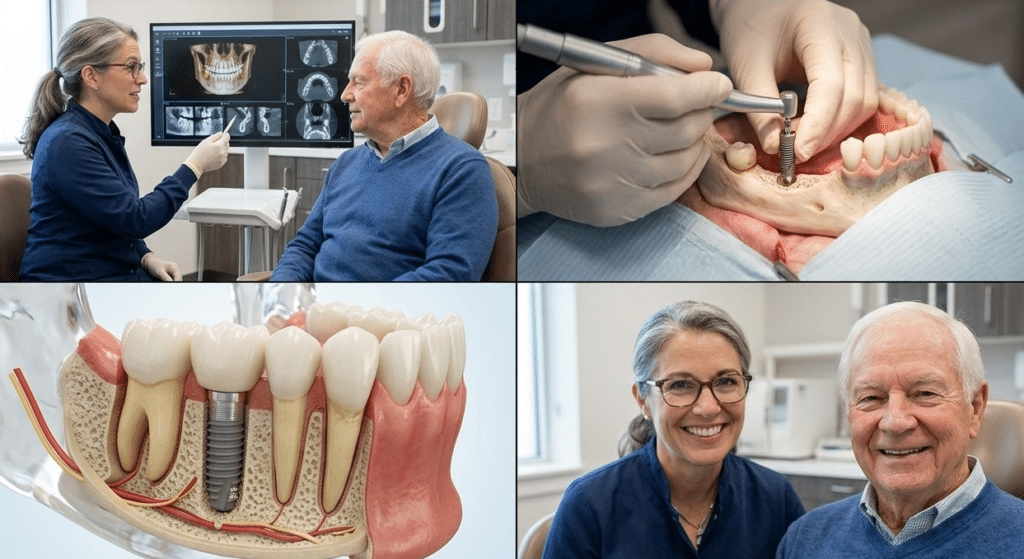
- Initial Consultation: Dr. Wang will perform an assessment, including X-rays and 3D imaging, to evaluate bone density and health.
- Implant Placement: Under local anesthesia, the implant is inserted into the jawbone through a small incision. This is usually done under minimally invasive placement, which helps to minimize recovery time and discomfort.
- Osseointegration: Over the next few months, the implant will bond with the jawbone. This will take a few months to accomplish.
- Restoration: After the implant has completed its osseointegration, a custom crown or denture is placed to complete the dental restoration.
Potential Risks and How to Mitigate Them
As with all surgical procedures, endosseous implants carry potential risks. For example, seniors often face additional risks, such as longer healing times or the potential for infections due to pre-existing conditions or medications. Nevertheless, by proper planning, these risks are often avoided. Dr. Wang will ensure that all necessary precautions are taken to ensure the surgery’s success, including administering antibiotic prophylaxis before the procedure to prevent infection.
Attaining a Healthier Smile with Dental Implants
Endosseous implants are a safe and successful option for seniors seeking to regain their smile and enhance their quality of life. With proper planning, the latest technology, and proper care, many seniors successfully benefit from this long-term solution for missing teeth. If you are interested in dental implants for seniors in Highland, NY, Dr. Chuan Wang and the staff at Studio Blu Dental are here to assist you throughout the entire process.
If you are interested in learning more about how endosseous implants will help you regain your smile, contact us at Studio Blu Dental today. Dr. Wang and our team will evaluate your individual case and develop a customized treatment plan. We will ensure your dental needs are in the best possible hands.
Questions People Ask About Dental Implants
Are dental implants safe for seniors?
Yes, dental implants are generally safe for seniors, provided they are healthy enough to undergo the procedure. Key factors, such as bone density and pre-existing medical conditions, must be evaluated to ensure a successful, tailored treatment plan for each individual.
What factors affect dental implant success in older adults?
Conditions such as diabetes, hypertension, and bone health often affect implant success. A comprehensive evaluation helps identify potential risks, and a customized treatment plan ensures the procedure’s safety and effectiveness for seniors, improving long-term outcomes.
What are the risks of dental implants for the elderly?
Seniors often experience slower healing or a higher risk of infection, especially if they have osteoporosis or take blood thinners. With careful planning, including adjusting medications and close monitoring, the risks are minimized for a smoother recovery.
How does bone grafting help seniors with dental implants?
Bone grafting helps seniors with insufficient jawbone density by stimulating new bone growth, creating a strong foundation for dental implants. This enhances the implant’s success and improves long-term stability, making it a key component for elderly patients.
What is the difference between implants and dentures for seniors?
Implants are permanent, provide better stability, and preserve jawbone health, unlike dentures, which are generally uncomfortable, prone to slipping, and require frequent adjustments. Implants offer a more secure, long-lasting solution for seniors with missing teeth, improving overall oral function.
What are implant-supported dentures?
Implant-supported dentures are securely anchored to dental implants, offering superior stability and comfort compared to traditional removable dentures. They help prevent bone loss, provide a more natural fit, and improve speaking and chewing abilities.