
By Studio Blu Dental | April 3, 2026
So you have had gum disease, and you’re wondering if you are still a candidate for dental implants? You’re not alone. Periodontal disease is an infection of the gums, and it can affect the tissues and bones that support your teeth. Not only can gum disease lead to tooth loss and bone loss, but it’s also a common concern for those considering dental implants. If you’ve had gum disease in your past, you’re not too far from the fact that you can still receive dental implants—but it’s not that simple.
In this blog, we’ll answer the question, “Can you get implants with periodontal disease?” to help you understand the steps required to achieve a healthy, beautiful set of teeth.
What is Periodontal Disease and How Does It Affect Implants?
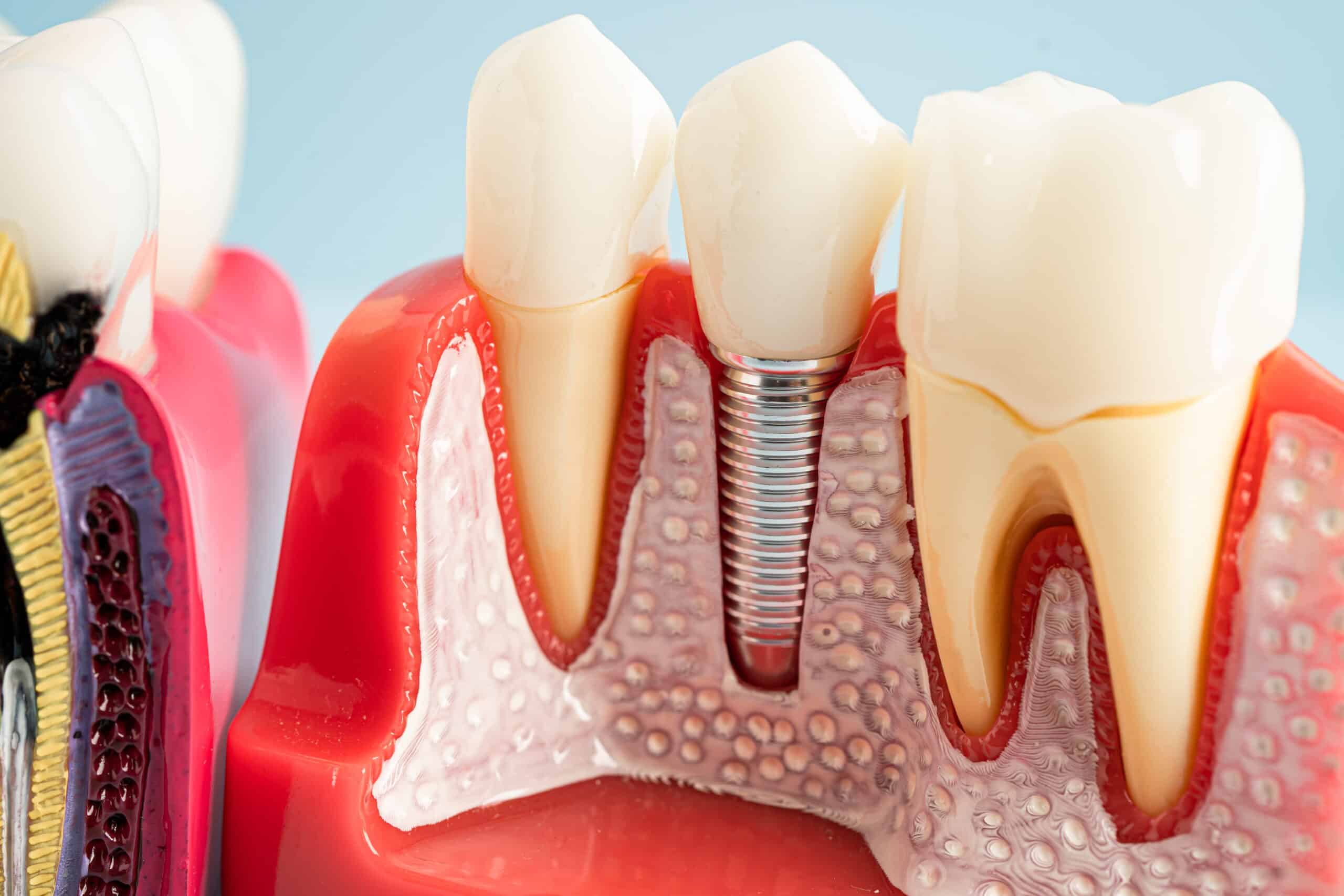
Periodontal disease, also known as gum disease, is an infection of the gums that can damage the tissues and bones that support your teeth. If left untreated, it can lead to tooth loss and bone deterioration. When it comes to dental implants, bone health is crucial because implants are anchored into the jawbone.
The short answer: Yes, dental implants can be placed after periodontal disease, but it takes a specific approach to ensure that they succeed. The good news is that you can still get dental implants even if you’ve had gum disease in your past. Here’s what you need to know about getting dental implants in Highland, NY, after gum disease:
1. Gum Disease Treatment Before Implant Placement
Before proceeding with the placement of your implants, the dentist will first have to manage and treat any active gum disease. In other words, if you have gum disease, it must be treated before proceeding with implant placement. The state of your gums directly affects the long-term success of the implant. An infection-free environment is also necessary to promote healing after implant placement. The following is an overview of what to expect when it comes to treating your gums before implant placement :
- Active Treatment: If you have active gum disease, your dentist will likely need to treat it first. The treatment may include scaling and root planing, which removes plaque and tartar from your teeth and gums.
- Stabilization: Treatment of gum disease will help stabilize the infection, but your gums will need time to heal. Your dentist will likely conduct a risk assessment by evaluating the level of disease and bone loss to determine the next best steps.
- Supportive periodontal therapy: In many cases, patients with a history of gum disease are recommended ongoing treatment to maintain oral health. Regular cleanings and check-ups will help maintain healthy gums.
2. Bone Regeneration and Implants
One of the major concerns when it comes to implants and gum disease is bone loss. Periodontal disease can lead to bone loss, which is also very important to implant success. In some cases, if too much bone loss has occurred, your dentist may recommend bone regeneration first, before placement of your implants.
- Bone graft: If bone loss has occurred, a bone graft may be necessary to rebuild the bone in your jaw before implants can be placed. This will help rebuild bone loss.
- Long-term success: Once the bone has been regenerated, the implant will then be placed. In some cases, the implants will be placed in stages to allow proper healing.
3. Gum Tissue Stability Around the Implant
Gum tissue stability is also an important factor for implant success. Healthy gum tissue around the implant is necessary to protect the bone and support proper healing. Your dentist will evaluate the stability of your gum tissue and make sure it’s strong enough to support the implant.
In some cases, gum tissue grafting may be recommended to help improve gum health and promote proper healing around the implants. With good care, your gum tissues will support the implants and help ensure long-term success.
4. A Healthy, Infection-Free Healing Environment
The body’s inflammatory response to gum disease can negatively impact the healing of dental implants in Highland, NY. It is therefore essential that the gums and surrounding tissues are free from infection before implant surgery can be undertaken. Your dentist will carefully monitor the implant healing to ensure it is proceeding as expected.
Your compliance with oral hygiene measures is also important during the healing period. Brushing, flossing, and using an antibacterial mouthwash are all important measures to help prevent infection and ensure proper healing.
5. A Staged Treatment Approach
If you have a history of periodontal disease, you may need to undergo treatment in several stages. This approach allows your dentist to evaluate the condition of your gum tissues and bone before moving forward. In a staged treatment approach, each step is carefully evaluated before moving on to the next, ensuring the best possible outcome.
This approach may involve the following steps:
- Treating and stabilizing the gum disease
- Regenerating bone that has been lost through bone grafting or other methods
- Implant placement
- Healing and stabilization of the gum tissue
- Restoring the implant site with crowns or bridges
By following a staged approach, you can achieve the best results and ensure long-term implant success.
Is It Safe to Get Implants with Periodontal Disease?
Yes, it’s possible to get dental implants in Highland, NY, when you have periodontal disease. You can do it successfully with gum disease treatment before implants, bone regeneration if necessary, and an infection-free environment.
At Studio Blu Dental, we know that it can be discouraging to learn that you have periodontal disease when you’re looking to get dental implants. But getting dental implants isn’t impossible. With the right treatment plan in place, you can get dental implants and restore your smile.
Take the First Step Toward a Healthy Smile
If you have periodontal disease and are looking to get implants, don’t delay in taking action. Come to Studio Blu Dental today and schedule an appointment. We’ll answer any questions you may have about your options and help you take the first step toward a restored smile. Our experienced team can help you get back to a healthy, confident smile.
Common Questions People Ask
Can I get dental implants if I’ve had gum disease in the past?
Yes, you can get dental implants even if you’ve had gum disease. However, the condition of your gums and bone must be properly treated and stabilized before implant placement.
How does gum disease affect dental implants?
Gum disease can cause bone loss and infection, which may affect the success of dental implants. Treatment for gum disease and possible bone regeneration may be necessary before implants are placed.
What is the treatment for bone loss before getting implants?
Bone grafting is often used to regenerate lost bone and provide a stable foundation for implants.
How long does it take for the gums to heal before getting implants?
Healing time varies, but after treating gum disease and ensuring bone health, you may need several months before the implant can be placed.