By Studio Blu Dental | January 30, 2026
Dental implants remain one of the top options for replacing missing teeth in Highland, NY, as they provide a long-lasting, natural solution. When considering endosseous implants, several factors remain, including the role of insurance in the process. Insurance coverage for implants differs from one policy to another. Many individuals may be wondering whether their insurance will cover their dental implant treatment in full or if they will need to contribute.
Generally, dental insurance coverage tends to favor preventive measures over other forms of treatment. However, some insurance policies may cover implants if they are deemed medically necessary. This blog aims to identify some of the major factors that affect the cost of dental implants and insurance coverage.
Understanding the Factors That Influence Dental Implant Costs
There are various factors that can affect the final cost of implants. First and foremost, the dental procedure, dental materials, and additional procedures undertaken, such as dental implant bone grafting, can significantly contribute to the price, as discussed below:
1. The Dental Implant Procedure
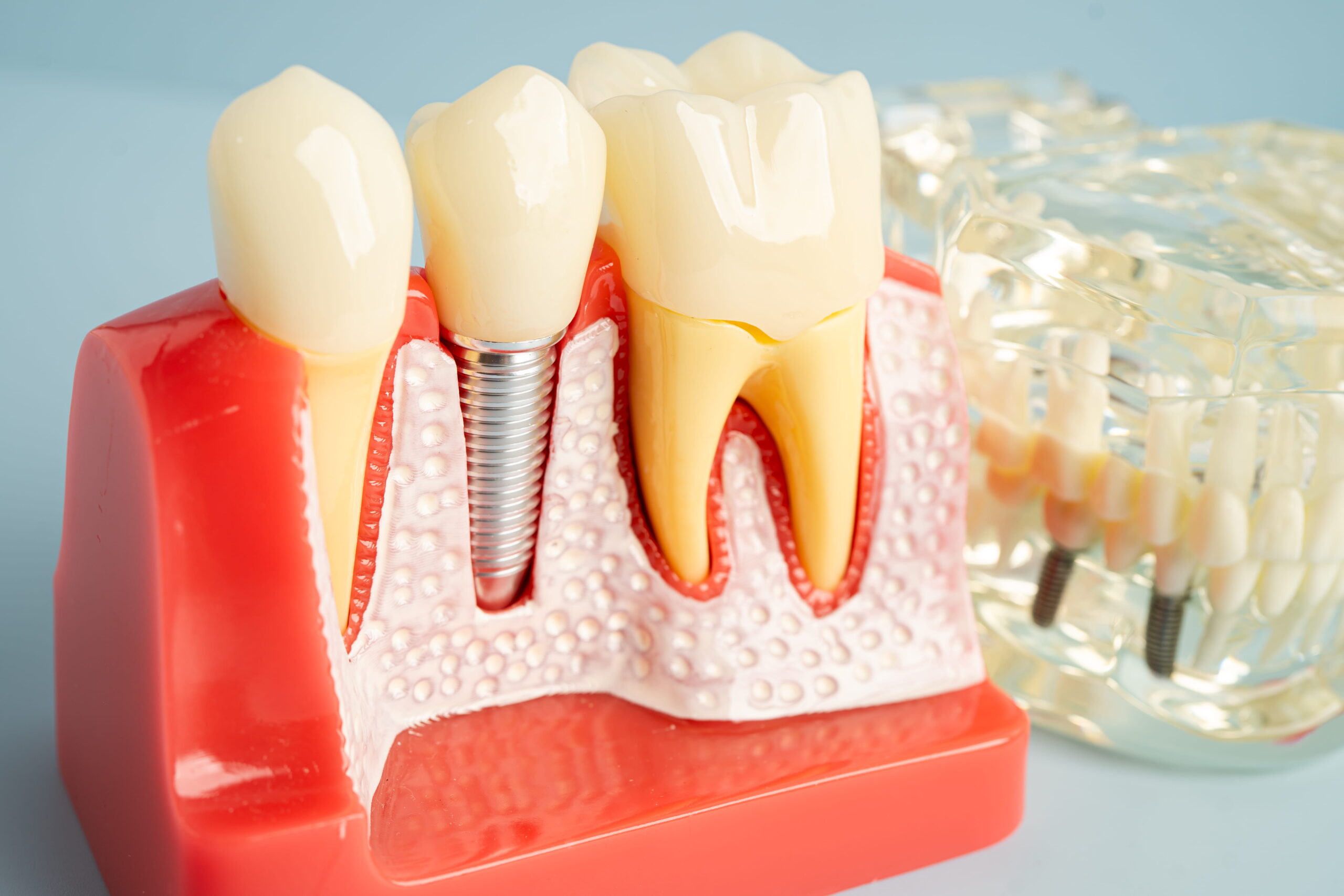
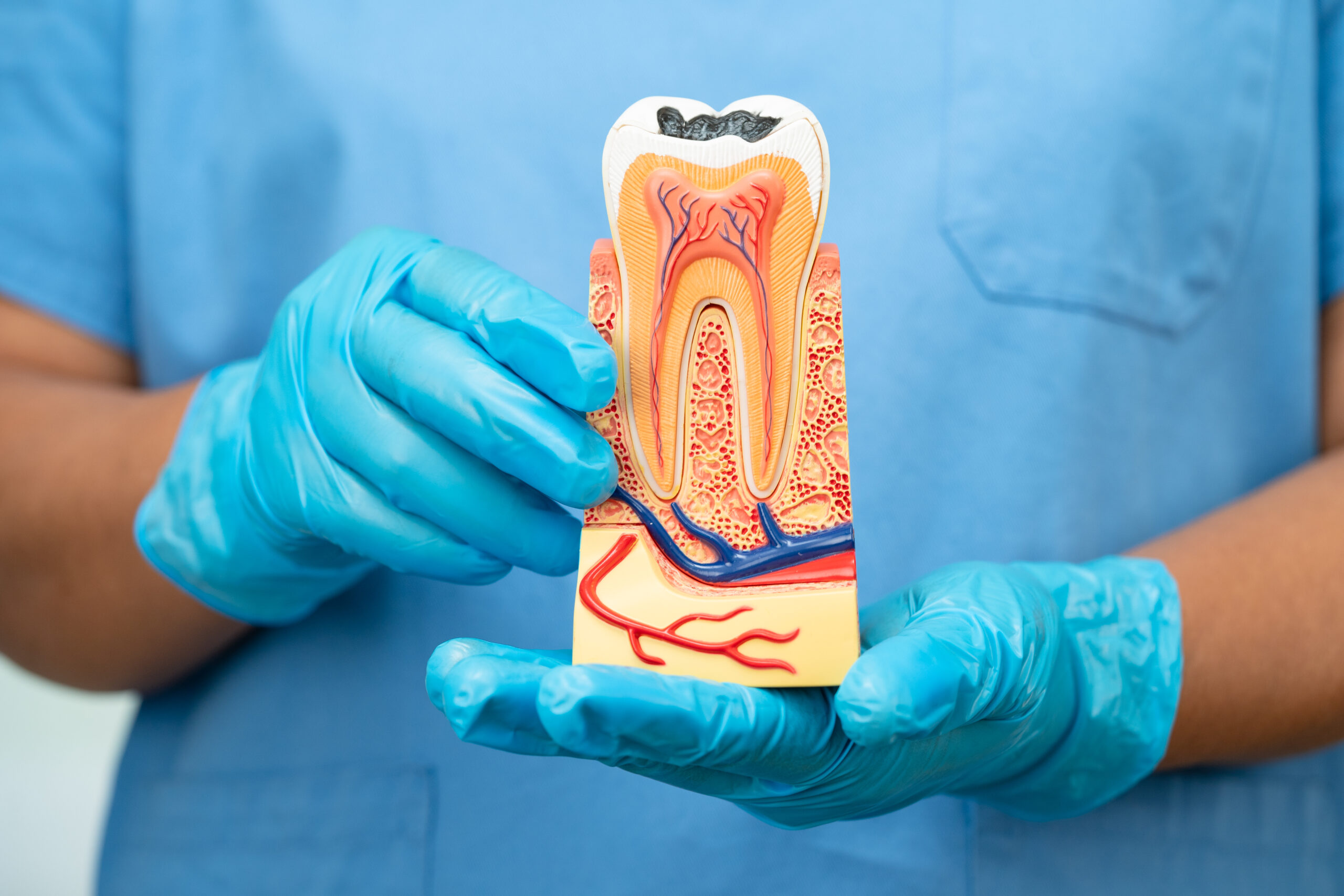
In highland the cost is high because the procedure of dental implants is more time-consuming compared to other dental procedures. This procedure involves inserting a titanium root into the jawbone. Based on these requirements, the endosseous implants procedure is three-fold. The three stages include the surgical stage, the healing stage, and the final stage of attaching the crown.
2. Bone Grafting for Dental Implants
Some patients will require bone grafting as part of the implant placement procedure, as it provides the foundation needed for the implants. This procedure is especially necessary for people who have lost bone in the jaw due to periodontal disease or tooth loss over time. This procedure is vital to the success of the dental implant procedure.
3. Material Selection
The type of material used for the implant and the crown can also affect the overall cost. Titanium is the most commonly used material because of its durability. However, apart from titanium, there are various other materials that can be used. One of the materials is zirconia. The material would generally depend on the patient’s requirements and the dentist’s advice.
4. Surgical Placement and Anesthesia Costs
The process of surgically placing the implant is a specialized technique that demands precision and expertise. Anesthesia fees, whether local or general, may be extra charges. The level of sedation can vary depending on the complexity of the procedure and the patient’s comfort level.
5. Additional Services and Pre-Treatment Estimate
Before you undergo a dental implant procedure, an estimate from your insurance company can be obtained, which will enable you to understand what you will be covered for and what you won’t. In some cases, diagnostic fees, such as X-rays and 3D images, may also apply. These will help the dentist successfully place the endosseous implants.
How Insurance Plays a Role in Dental Implants
Understanding how your insurance covers the process can make a big difference when you receive your dental implants in Highland. Insurance is generally classified into two types based on the chosen plan. They are PPO and HMO plans.
PPO vs. HMO Plans
A PPO (Preferred Provider Organization) plan normally has more flexibility with regard to choosing your own dental health care providers. A PPO plan may cover more of the cost of implants when the need is medically necessary, although the premiums and deductibles may be higher. Compare this to an HMO (Health Maintenance Organization) plan, which may have lower premiums but less flexibility in choosing health care providers. With the HMO plan, approval for endosseous implants may take longer as pre-authorization is sometimes required.
Deductibles, Annual Maximums, and Waiting Periods
Most insurance plans also include a deductible. This is the amount of money you pay out of pocket before insurance kicks in. Most plans also have an annual maximum, which is the amount the insurance will cover for a given procedure. It’s also common for insurance plans to have a waiting period, meaning you’re only eligible for implants after a set period with the plan.
Medically Necessary vs. Cosmetic Procedures
In some cases, especially if the patient has lost teeth due to injury, implants may be considered medically necessary to replace the missing teeth.
If the patient is getting the implants purely for aesthetic reasons, the need for the service may not be covered under any policy. It is therefore very important to work with the dentist to ensure the procedure is necessary, especially if additional steps, such as grafting, are required before the procedure can be performed.
Dental Implant or Bridge: What’s Better?
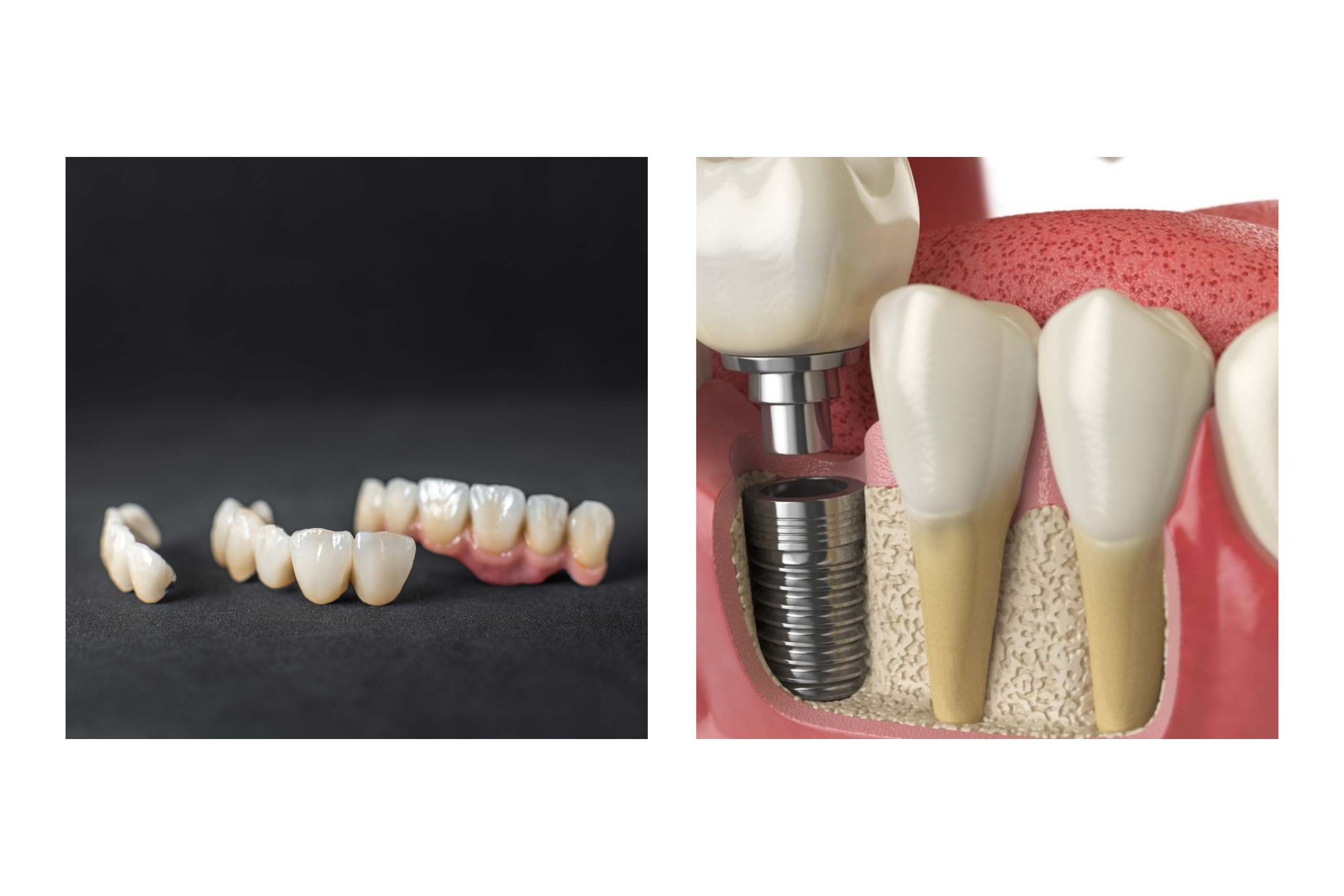
Compared with other options for tooth replacement, patients are likely to weigh the advantages of a dental implant vs a bridge. Though tooth replacement methods restore a patient’s smile, they differ in cost, longevity, and procedures.
A dental implant provides a permanent solution by serving as an artificial root for the missing tooth. Furthermore, a dental bridge might seem like a perfect solution, but it will require crowns on the neighbouring teeth, which may affect them over time. Moreover, a dental implant lasts longer compared to a dental bridge.
Take the Next Step toward a Brighter Smile
The benefits of dental implants for replacing one or multiple teeth make this option an ideal choice, especially since they significantly improve both function and aesthetic appeal. Knowing how insurance works helps you plan for your endosseous implants and identify what contributes to their cost.
Studio Blu Dental is ready to help you through the process. If you are interested in dental implants, do not hesitate to contact us today. We would be happy to assist you in understanding any insurance benefits available to you and provide the help you need to achieve a healthy, confident smile.
Questions People Ask About Dental Implants
What does the dental implants procedure involve?
The dental implants procedure involves placing a titanium post into the jawbone, which serves as a foundation for a prosthetic tooth. This is followed by healing time and crown attachment.
What is bone grafting for dental implants?
Bone grafting for dental implants is a procedure where bone is added to the jaw to provide a solid foundation for the implant, especially in patients who have had bone loss.
How long does the dental implant procedure take?
The entire process, from placement to attachment of the crown, can take several months, as healing and integration with the bone need to occur before moving to the next phase.
How can PPO and HMO plans affect my dental implant coverage?
PPO plans typically provide more flexibility in choosing providers, while HMO plans may have restrictions. PPO plans may also cover a larger share of the implant cost, depending on medical necessity.
Will my insurance cover all the costs of dental implants?
Insurance may cover dental implants if they are medically necessary, but many policies have limitations, including deductibles, annual maximums, and waiting periods. It’s important to review your insurance details.