By Studio Blu Dental | September 7, 2026
You have tried whitening strips, whitening toothpaste, and maybe even a professional kit. Yet your smile still looks dull or discolored. If you are searching for answers about why your teeth whitening isn’t working — intrinsic vs. extrinsic stains in Highland could be the reason. Not all tooth discoloration responds to the same treatment. Understanding the difference is the first step toward a brighter, healthier smile.
What Are Extrinsic Stains and Why Do They Respond to Whitening?
Extrinsic stains live on the outer layer of your tooth, called the enamel. They form when pigmented particles from food and drinks cling to your tooth surface. Coffee, tea, red wine, berries, and tobacco are the most common culprits. Because these stains sit on the outside, they are generally easier to treat.
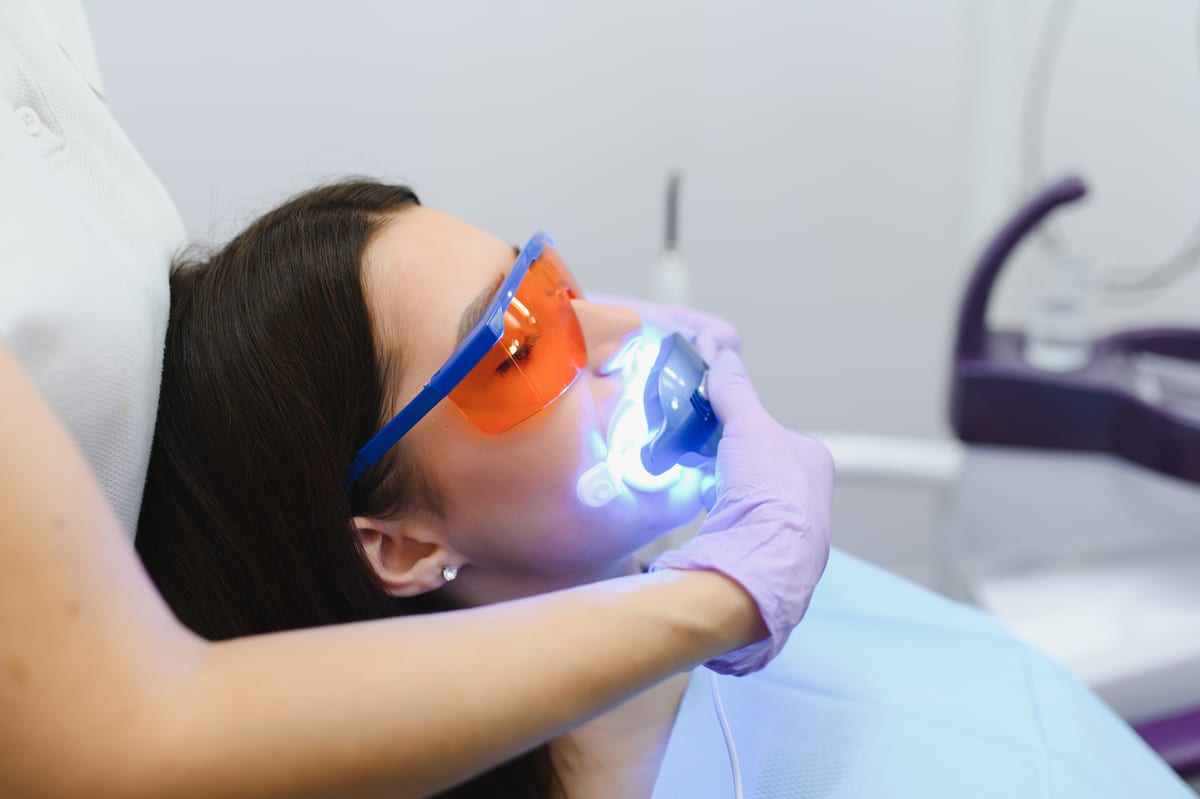
Most over-the-counter whitening products are designed specifically for extrinsic stains. They use low concentrations of hydrogen peroxide or carbamide peroxide to break down surface pigments. Professional whitening treatments at Studio Blu Dental use stronger, clinically tested formulas. These treatments reach deeper into enamel for more dramatic results.
- Coffee and tea stains on enamel surface
- Tobacco-related discoloration
- Food dye staining from berries or sauces
- Surface buildup from poor oral hygiene
- Wine and dark soda pigmentation
If your stains are extrinsic, professional whitening or a thorough cleaning can make a significant difference. Dr. Chuan Wang can help you identify whether surface whitening is right for your situation.
Understanding Intrinsic Stains — Why Whitening Falls Short in Highland
Intrinsic stains originate inside the tooth itself, within the dentin layer beneath enamel. These stains cannot be removed by bleaching agents alone. They form during tooth development or as a result of internal changes. This is the most common reason why teeth whitening isn’t working for many patients in Highland.
Several factors can cause intrinsic discoloration. Trauma to a tooth can cause internal bleeding, leading to gray or brown darkening. Certain medications taken during childhood, like tetracycline antibiotics, can stain developing teeth permanently. Excessive fluoride during early development, called fluorosis, can also cause white spots or brown patches.
- Tooth trauma or injury causing internal bleeding
- Tetracycline antibiotic exposure during development
- Fluorosis from excess fluoride in childhood
- Natural aging that thins enamel and reveals darker dentin
- Genetic conditions affecting tooth structure
Because the stain is inside the tooth, no topical product can reach it effectively. You need a solution that masks or replaces the outer appearance of the tooth entirely.
What Are the Best Treatment Alternatives for Each Stain Type?
Choosing the right treatment depends on correctly identifying your stain type. For extrinsic stains, professional whitening, polishing, and regular cleanings are often highly effective. At Studio Blu Dental, Dr. Wang evaluates your teeth carefully before recommending any whitening approach. A customized plan gives you the safest and most lasting results.
For intrinsic stains, cosmetic alternatives work far better than bleaching. Dental veneers are thin porcelain shells bonded to the front of your teeth. They completely conceal deep discoloration and give a uniform, natural appearance. Dental crowns are another option, especially when the tooth has also suffered structural damage.
Composite bonding is a more affordable alternative for minor intrinsic staining. Your dentist applies tooth-colored resin directly to the surface. The resin is shaped and polished to blend with surrounding teeth. It is a fast, non-invasive solution that works well for isolated discoloration.
In some cases, discoloration points to an underlying dental issue that needs attention first. A tooth that has darkened after injury may need evaluation for nerve health. This is especially true if the tooth also causes sensitivity or discomfort. In those situations, addressing the root cause comes before any cosmetic treatment.
When to See Dr. Chuan Wang at Studio Blu Dental
If whitening products have not delivered results, a professional evaluation is the smartest next step. Dr. Chuan Wang serves patients throughout Highland, NY with a thorough, patient-centered approach. During your visit, he will examine the type and depth of your staining. This allows him to recommend the treatment that will actually work for your specific situation.
Some discoloration patterns can signal dental health concerns beyond cosmetics. Sudden darkening of a single tooth may indicate nerve damage or infection. In those cases, restorative care takes priority before whitening. You may need Root Canal Therapy Highland to address internal damage before cosmetic treatment begins.
If you are experiencing sudden tooth pain or swelling alongside discoloration, do not wait. Discoloration combined with sharp pain can be a sign of an urgent dental issue. Prompt care can save the tooth and prevent further complications. Studio Blu Dental offers Emergency Dentistry Highland to address urgent situations quickly and effectively.
Beyond emergencies, routine care also plays a major role in preventing stains. Regular cleanings remove surface buildup before it becomes embedded. Dr. Wang and the Studio Blu Dental team help patients build habits that protect their enamel long-term. Prevention is always easier than correction.
Conclusion: The Right Solution Starts With the Right Diagnosis
Not every discolored tooth responds to whitening — and that is perfectly okay. Understanding the difference between intrinsic and extrinsic stains changes everything about your treatment path. Whether you need a simple professional polish or a porcelain veneer, the answer begins with an honest look at the root cause. Dr. Chuan Wang and the Studio Blu Dental team in Highland, NY are here to guide you every step of the way. Book Now to schedule your appointment with our team.
Frequently Asked Questions
Why isn’t my whitening toothpaste making a difference?
Whitening toothpastes are designed to remove mild surface staining through gentle abrasives or low-level peroxide. They are not strong enough to address deeper extrinsic stains or any intrinsic discoloration. If you have staining within the dentin layer, no toothpaste will reach it. A professional evaluation will help identify the actual cause and the right solution.
Can intrinsic stains ever be treated without veneers or crowns?
In some mild cases, composite bonding can improve the appearance of intrinsic staining without covering the full tooth. However, severe intrinsic stains — especially from tetracycline or trauma — typically require veneers or crowns for full coverage. Dr. Chuan Wang will assess your stain type and recommend the least invasive option that still achieves your goals.
How do I know if my stain is intrinsic or extrinsic?
Extrinsic stains usually appear as general yellowing or brown patches that cover multiple teeth evenly. Intrinsic stains often appear as gray, dark brown, or white spot discoloration on one or more specific teeth. A dental examination is the most reliable way to identify your stain type. Dr. Wang uses visual assessment and X-rays when necessary to determine the origin of discoloration.
Is professional whitening safe for all teeth?
Professional whitening is safe for most patients with healthy enamel and extrinsic staining. It is not recommended for teeth with cracks, active decay, or significant enamel erosion. Patients with highly sensitive teeth may need a modified approach. Dr. Wang always reviews your oral health before recommending any whitening treatment to ensure it is appropriate for you.
How long does professional teeth whitening last?
Professional whitening results typically last between one and three years, depending on your diet and oral hygiene habits. Limiting coffee, tea, wine, and tobacco helps extend your results. Touch-up treatments at Studio Blu Dental can refresh your whitening when needed. Regular cleanings also help maintain brightness by removing surface buildup before it settles in.